
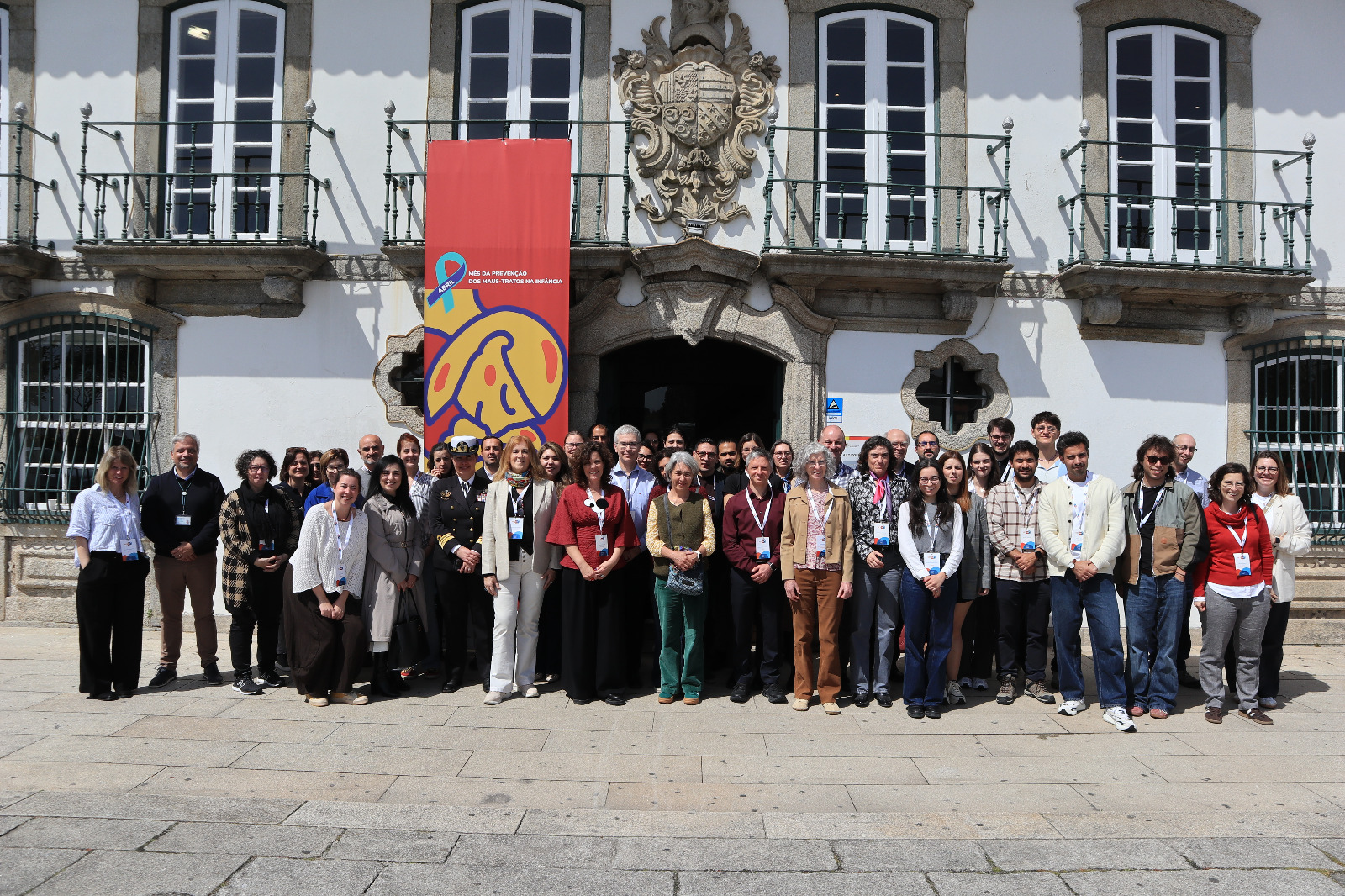
The NETTAG+ Final Event, endorsed as a United Nations Ocean Decade Activity, took place in Portugal on 14–15 April 2026, bringing together researchers, policymakers, fisheries stakeholders, businesses and NGOs to showcase the project’s achievements and explore practical solutions to tackle marine litter derived from fisheries. Combining a scientific workshop with a stakeholder-focused demonstration day, the event highlighted how technology, education, policy and stakeholder engagement can work together to prevent marine litter, avoid fishing gear loss and mitigate its impacts on the marine environment.
Scientific Workshop
On 14 April, the event opened in Vila do Conde with a scientific workshop attended by 46 participants from research organisations, public institutions, businesses, NGOs and the fisheries sector. The workshop provided a forum to discuss current challenges associated with marine litter and ghost gear, while presenting innovative solutions developed within NETTAG+ and related European initiatives.
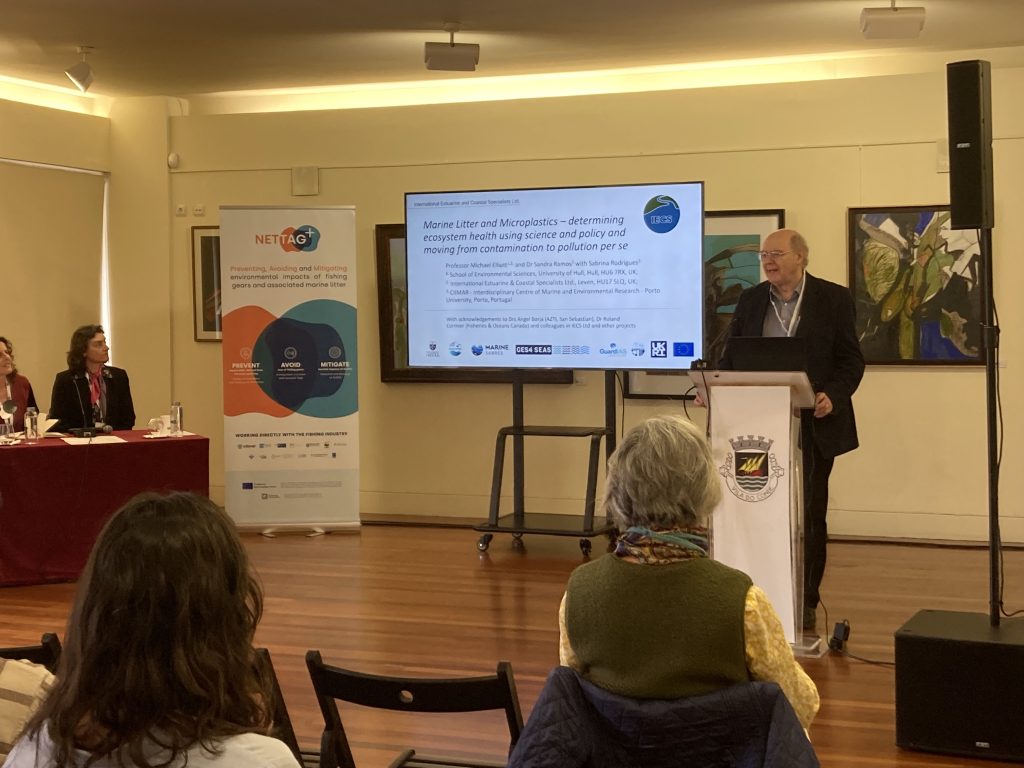
The programme began with a keynote lecture by Professor Michael Elliott from the University of Hull, entitled “Marine Litter and Microplastics – determining ecosystem health using science and policy and moving from contamination to pollution per se”.
The workshop continued with three thematic panels dedicated to the NETTAG+ pillars PREVENT, AVOID and MITIGATE. Alongside presentations of NETTAG+ results, participants heard from invited EU projects working on complementary approaches to marine litter prevention and mitigation:
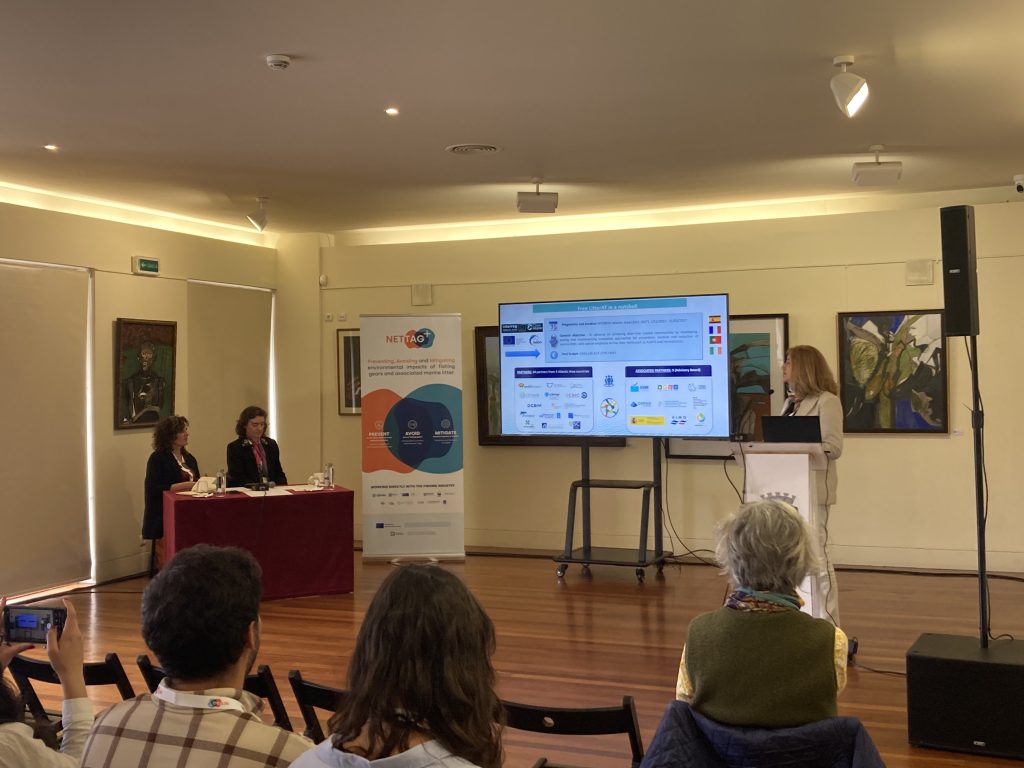
- Marisa Fernández (CETMAR), coordinator of the Free LitterAT project, presented “Free LitterAT: Prevention Approaches”.
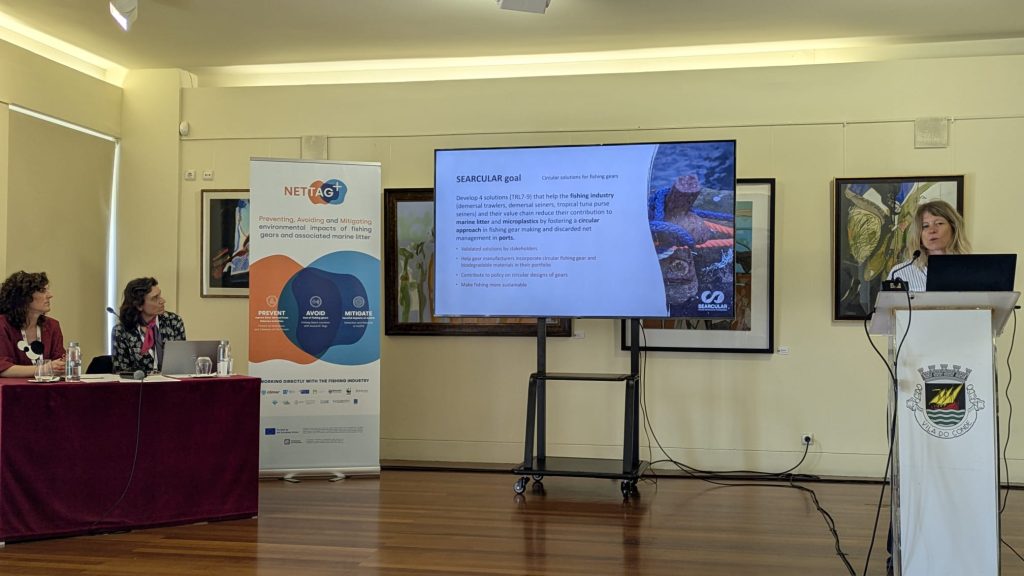
- Oihane Cabezas (AZTI), coordinator of the SEARCULAR project, presented “SEARCULAR: Circular Solutions for Fishing Gears”.
- Stefan Sosnowski (TUM), representing the SeaClear2.0 project, presented “Scalable Full-Cycle Marine Litter Remediation in the Mediterranean: Robotic and Participatory Solutions”.
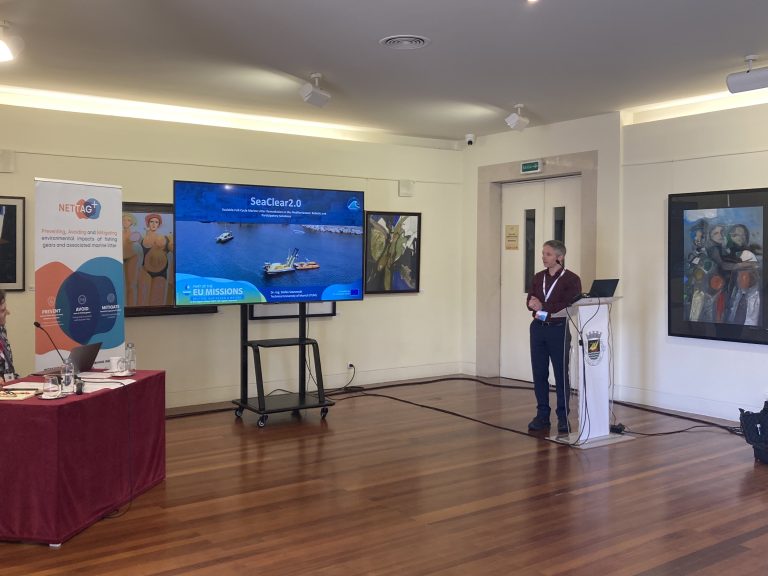
The discussions generated valuable exchanges on practical measures to prevent fishing gear loss, improve waste management in ports, support circular approaches for fishing gear, and strengthen the role of fishers as active contributors to marine litter prevention and removal.
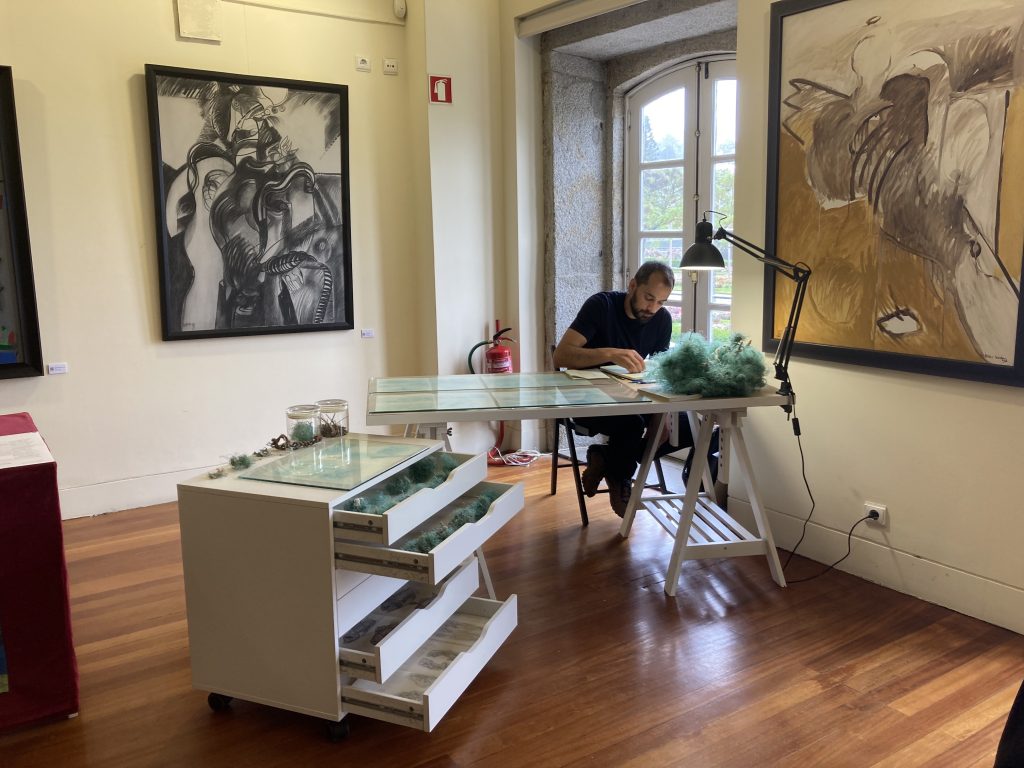
The workshop also featured an art installation by artist Pedro Cunha, including a live painting session of old fishing nets.

Demonstration of NETTAG+ solutions
The second day of the Final Event focused on demonstrating NETTAG+ solutions in action. Hosted at the APMSHM facilities in Póvoa de Varzim, the demonstration day gathered approximately 60 stakeholders from European and national authorities, fisheries organisations, NGOs and research institutions.
The event began with the launch of a video showcasing the NETTAG+ solutions developed to tackle marine litter through the project.
Despite challenging sea conditions and high waves that required activities to remain within the port area, the demonstrations successfully showcased the project’s technological innovations. The MyGearTag system demonstrated its capability to locate lost fishing gear by successfully detecting the position of a fishing trap, while the IRIS robotic subsea system was deployed to support retrieval operations. Together, these technologies illustrated how innovative tools can help fishers recover lost gear more efficiently, reducing environmental impacts and preventing the accumulation of abandoned, lost or otherwise discarded fishing gear in the marine environment.
Beyond the at-sea demonstrations, participants explored a range of educational, awareness-raising and policy-oriented outputs developed throughout the project. These included immersive virtual reality experiences illustrating the impacts of marine litter on fisheries, educational video games designed to engage young generations in marine litter issues, the “Fishers as Guardians of the Ocean” handbook, and practical materials developed with and for fishing communities. Policy briefs and recommendations were also presented, translating project findings into concrete guidance for policymakers and stakeholders.
The event provided an important opportunity to present the project’s final results, demonstrate the effectiveness of its solutions under real-world conditions, and discuss pathways for their future uptake and replication. Throughout the two days, NETTAG+ showcased how technological innovation, stakeholder engagement, education and policy support can complement one another in addressing one of the most persistent sources of marine litter.